How To Cook Bok Choy

Sep 15, 2026
This post may contain affiliate links. Please read our disclosure policy.
Bok choy is one of the most versatile, foolproof greens in the kitchen. Whether you want a quick weeknight sauté or a smoky grilled side dish, this classic Asian brassica brings crisp texture and a sweet, peppery flavor to the table. Here is everything you need to know about picking, prepping, and cooking bok choy perfectly every time.
What Is Bok Choy?
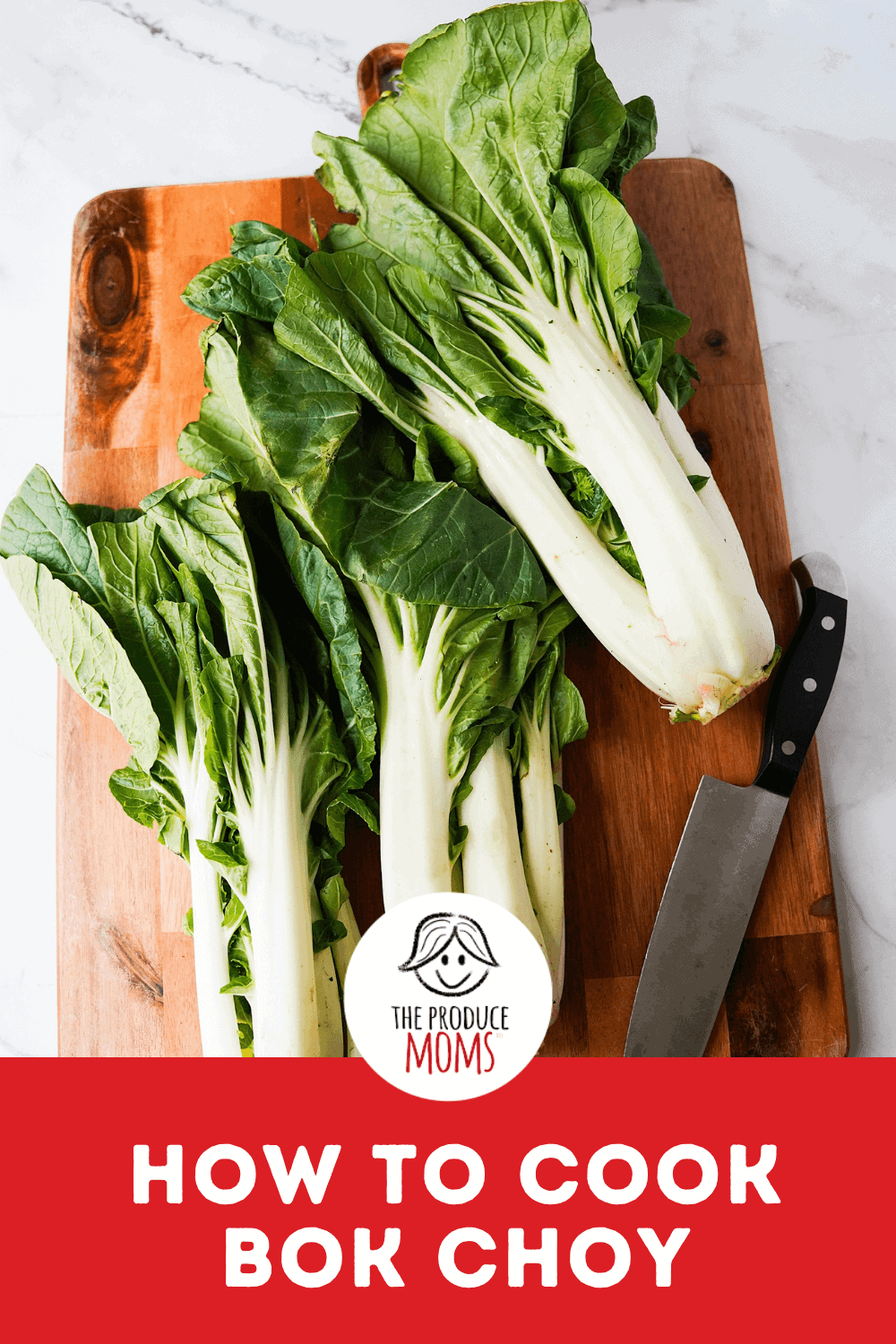
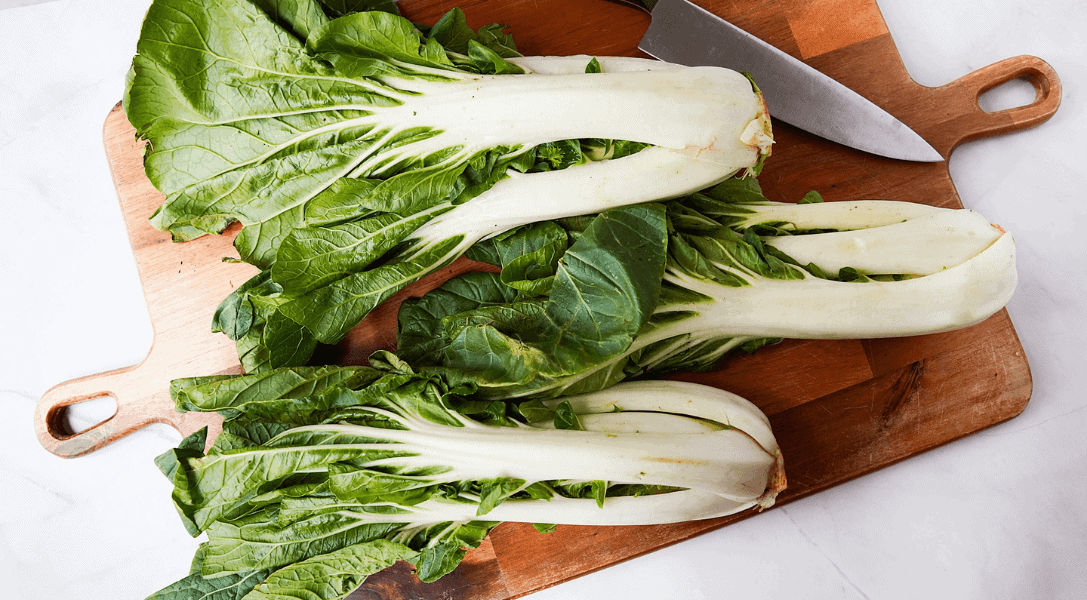
Bok choy (also spelled pak choi) is a type of Chinese cabbage belonging to the cruciferous vegetable family. It is a relative of broccoli, kale, and Brussels sprouts. Unlike traditional head cabbages, bok choy forms a cluster of thick, crunchy stalks topped with smooth green leaves.
It comes in two main varieties:
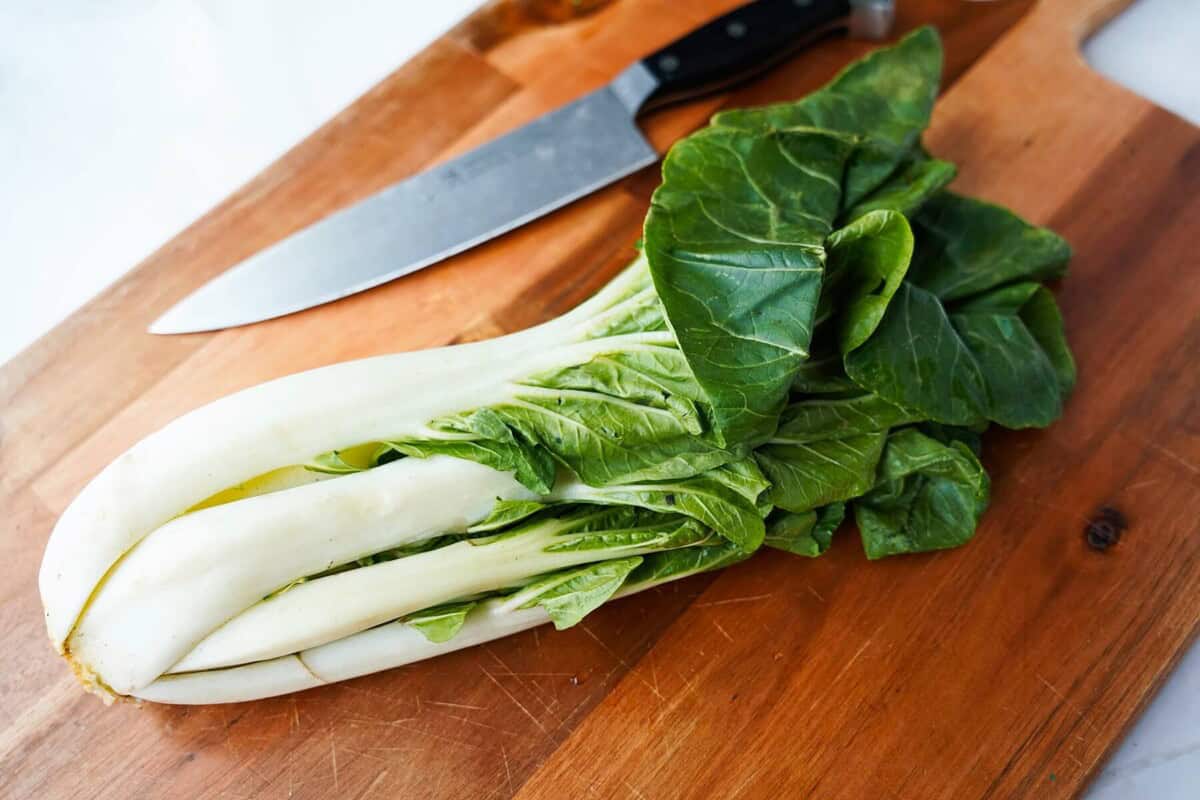
- Mature Bok Choy: Features bright white stalks and dark green, crinkly leaves. It has a bolder mustard-like bite and a dramatic contrast between leaf and stem.
- Baby Bok Choy: Harvested young, featuring soft green stems and tender leaves. It offers a milder, sweeter flavor and cooks remarkably fast.
How to Pick and Store
Getting the best results starts at the grocery store or farmer’s market. Look for heads with firm, crisp stalks that show zero signs of wilting or browning. The leaves should be vibrant green and free from yellowing or soft spots. If buying baby bok choy, aim for compact, tightly bound heads.
Store unwashed bok choy in a perforated plastic bag or loosely wrapped in damp paper towels inside your refrigerator’s crisper drawer. It stays fresh for 3 to 5 days. Wait to wash bok choy until right before cooking. Moisture trapped in the stalks accelerates rotting. If you have surplus, blanch sliced stalks and leaves in boiling water for 2 minutes, plunge them into an ice bath, drain thoroughly, and freeze in an airtight bag for up to 10 months.
Visit our Produce Directory to learn how to select, store and serve various fruits & veggies!
What Parts of Bok Choy Can You Eat?
Good news! You can eat the entire plant… leaves, stalks, and all.
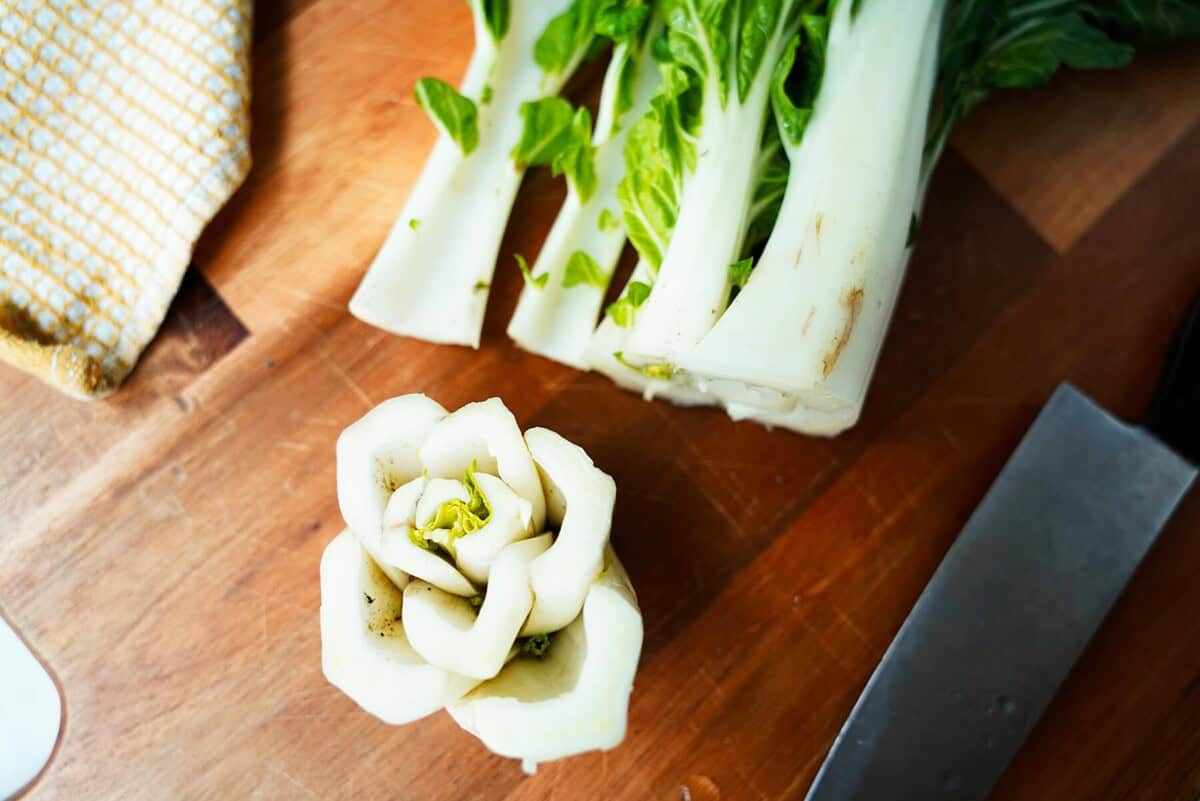
Both the juicy, crunchy stalks and the tender green leaves are completely edible, raw or cooked. The only part you should discard is the tough, fibrous root disc at the very bottom of the bulb.
Basic Prep To Cook Bok Choy
- Wash and trim: First, rinse the whole head under cold water. Then, slice off the bottom 1/2 inch to 1 inch of the root base to release the stalks.
- Separate stalks: Next, pull the individual stalks apart. Check the base of each stalk for hidden dirt or sand, and rinse again if needed.
- Chop stems: Cut the thick white stalks crosswise into bite-sized pieces, or slice them lengthwise first for smaller strips.
- Chop leaves: Gather the leafy green tops, stack them, and chop them crosswise to your preferred width.
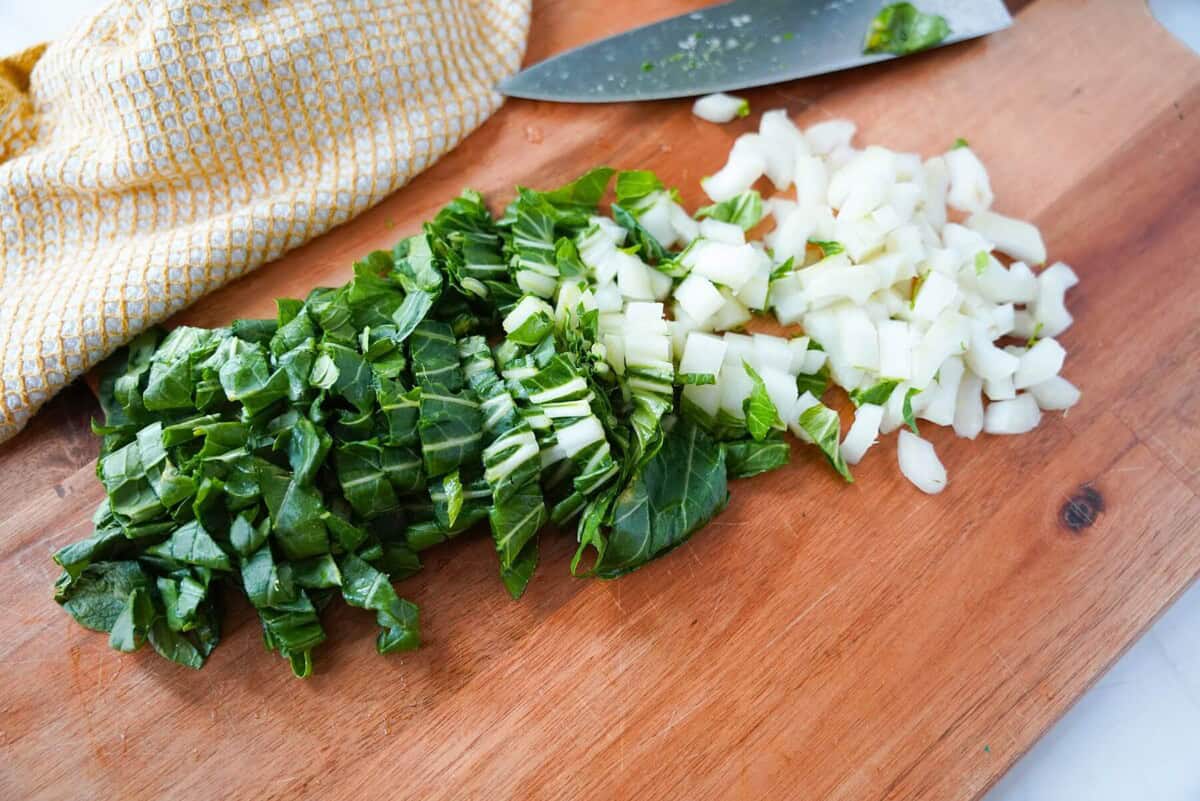
Cooking Bok Choy
There are several methods that you can use to cook bok choy. Below are some of our favorites.
Pan Roasting (Sautéing)
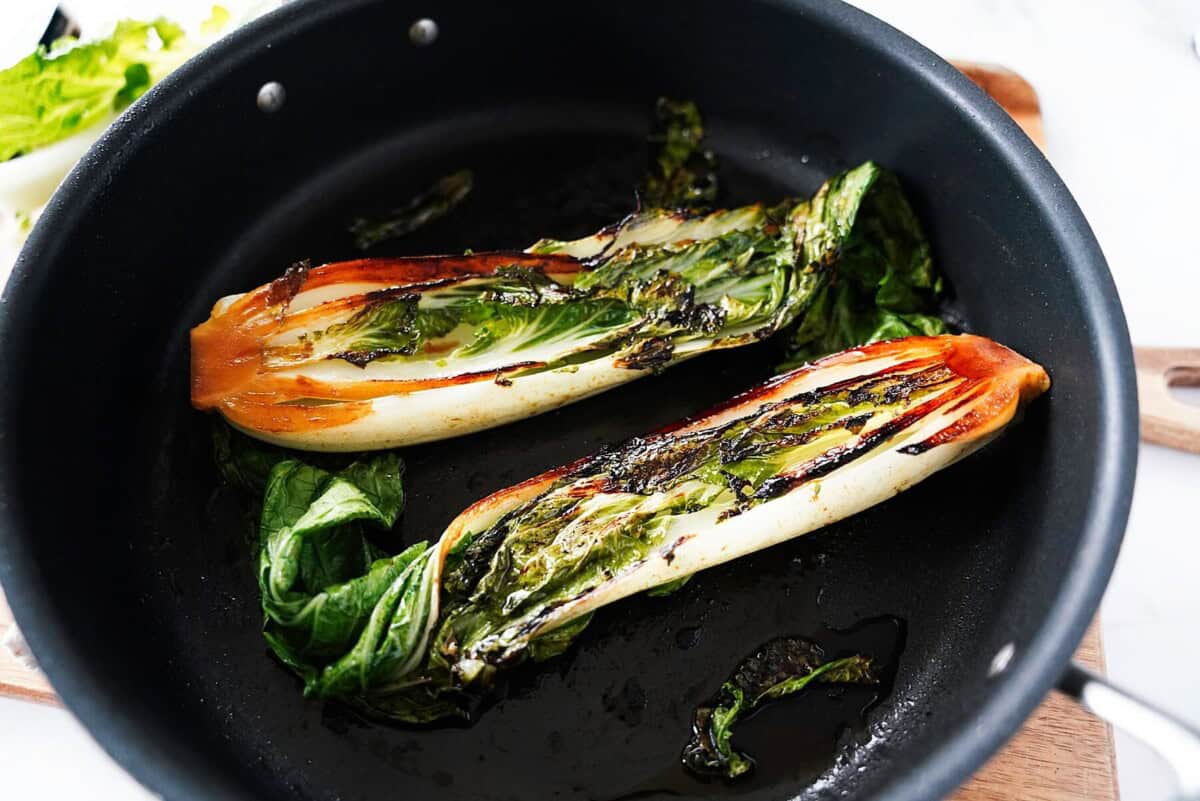
Pan roasting over high heat creates charred edges while keeping the stalks crisp-tender. Heat 1 tablespoon of high-smoke-point oil (like neutral or avocado oil) in a heavy skillet or cast-iron pan over medium-high heat. Place halved bok choy cut-side down. Cook undisturbed for 3–4 minutes until deeply browned. Flip, add minced garlic or a splash of soy sauce, and cook for another 1–2 minutes until the leaves wilt.
Grilling
Grilling adds a deep, smoky flavor that balances bok choy’s natural sweetness. Preheat a grill to medium-high heat. Brush bok choy generously with oil and season with salt. Grill cut-side down for 3–4 minutes until prominent grill marks form, then flip and grill for 2 minutes more until soft. Finish with a squeeze of fresh lemon or toasted sesame oil.
Oven-Roasting
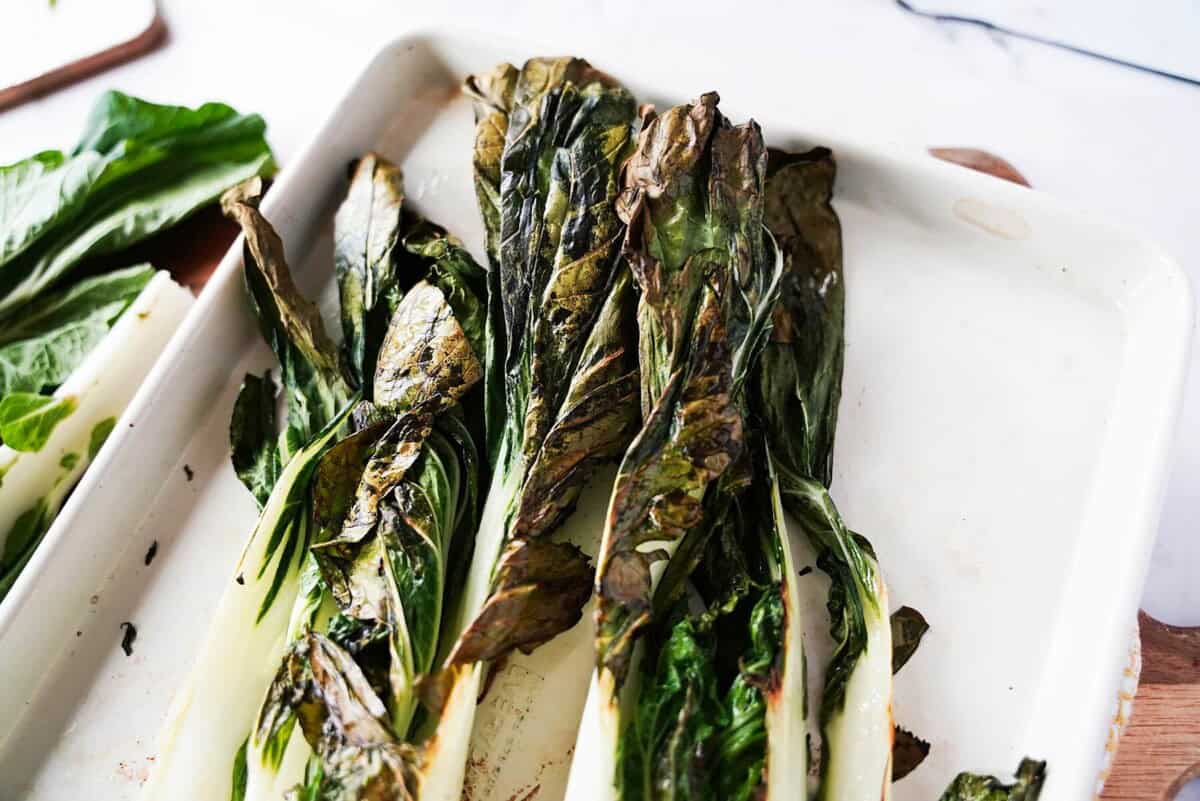
Roasting caramelizes the natural sugars in the stalks and turns the outer leaf tips deliciously crispy. Preheat your oven to 400°F (200°C). Toss halved bok choy with olive oil, salt, pepper, and a dash of garlic powder on a sheet pan, laying them cut-side down. Roast for 12–15 minutes until the stalks are tender when pierced with a fork and the edges are browned.
Steaming
Steaming is the healthiest method, preserving the bright color, delicate flavor, and nutrients without added fats. Set a bamboo steamer or metal steamer basket over an inch of boiling water. Add the bok choy, cover, and steam for 3–5 minutes until the leaves turn vibrant green and the stalks yield slightly. Toss immediately with oyster sauce, chili oil, or toasted sesame seeds.
Braising
Braising yields silky, melt-in-your-mouth tender bok choy infused with flavorful cooking liquids.Heat sesame oil in a wide skillet, sear the bok choy cut-side down for 2 minutes, then pour in 1/2 cup of broth (chicken or vegetable) mixed with a splash of soy sauce and ginger. Cover with a lid, turn heat to low, and simmer gentle for 5–8 minutes until completely tender.
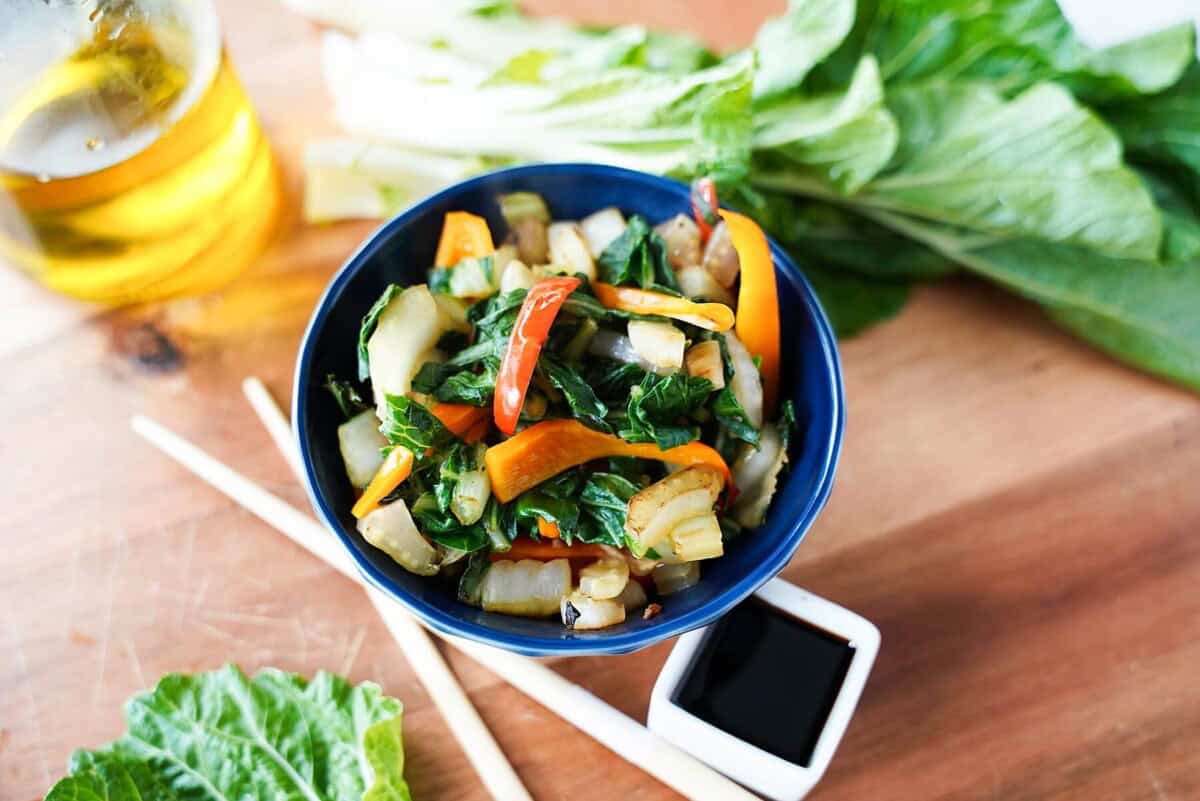
Whether you’re tossing it into a quick weeknight stir-fry, roasting it alongside your favorite protein, or simply steaming it with a drizzle of chili oil, bok choy is an effortless way to bring vibrant color, crunch, and nutrition to your plate.
With so many versatile ways to prepare it, mastering this humble green is one of the easiest upgrades you can make to your home cooking routine. Next time you are at the grocery store, pick up a bunch and start experimenting!
Looking for more inspiration? Check us out on Pinterest or Instagram, and join our community of Produce Moms!